
The Benefits of Working With Elderly Patients For PSWs
By Jennifer Maki · Communications Specialist
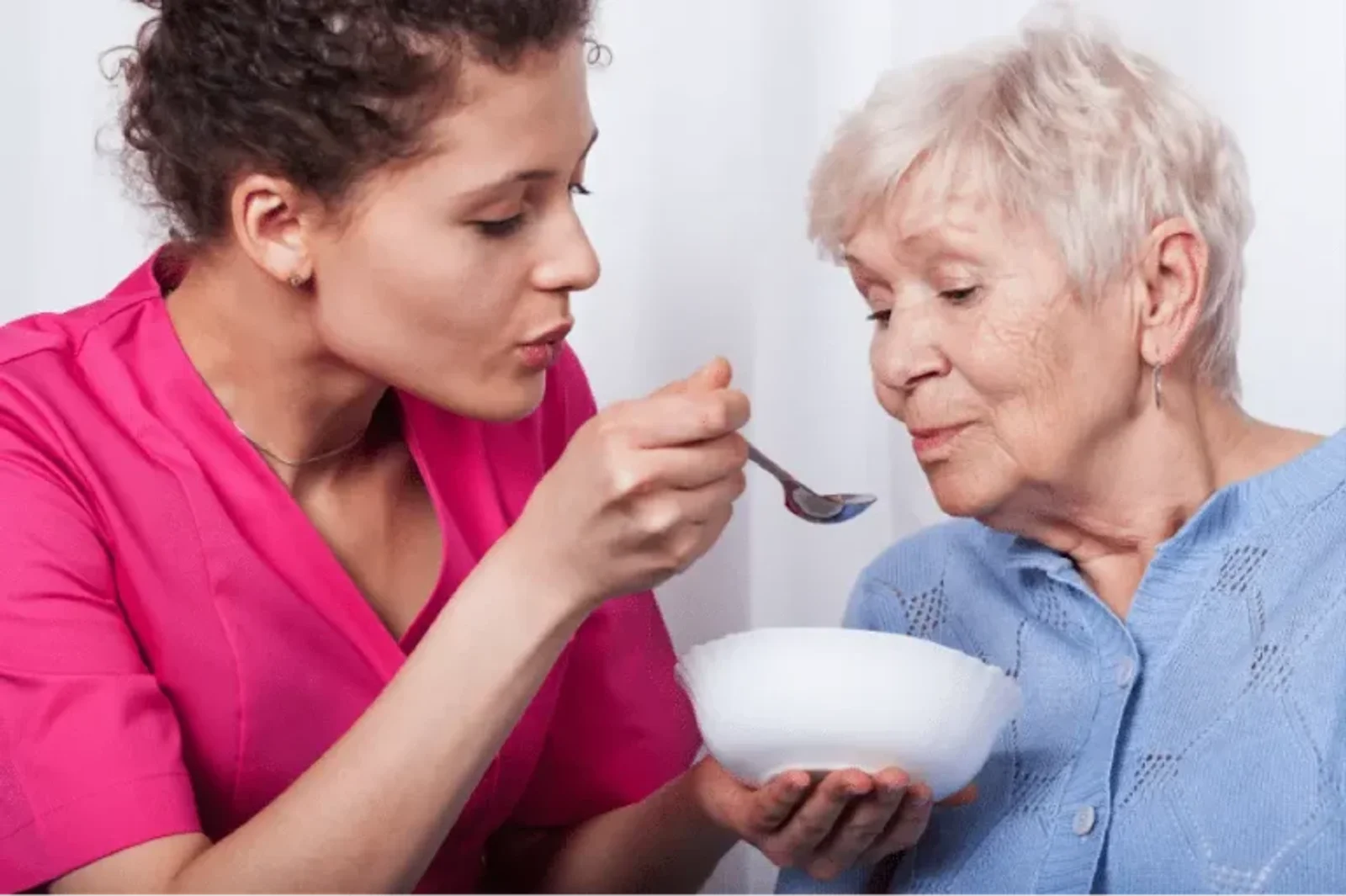
Supporting elderly members of your community can result in amazing benefits for both your patients and yourself. Those who pursue careers in elderly care build close relationships with a variety of wonderful and interesting people. This lets them find personal and professional fulfillment while giving back to the generations that helped build today’s world.
If you are planning to enroll in personal support worker courses, or you have already started your program, read on to learn some of the most valuable parts of working in elderly patient support.
How Do PSWs Impact the Lives of Senior Patients?
Dedicating your time to helping an elderly person in need will make a real difference in that person’s life. Elderly patients and nursing home residents truly need the services you will learn to provide. Without personal support workers (PSWs), their comfort and confidence might decline.
These patients may have difficulty bathing, dressing, cooking, eating, or independently caring for their health. PSWs often advocate for their needs, checking vital signs and ensuring that they’re as healthy and happy as possible. PSWs become the vital ingredient for an elderly person’s best possible life.
Why Do PSWs Find So Much Fulfillment in Their Work?
PSW courses will teach you just how much value you’ll be adding to your patients’ lives, but today’s support workers attest that you’ll often hear it from the patients themselves. Smiling faces and heartfelt appreciation remind support professionals that they’re making a difference and help keep them motivated.
A personal support worker for seniors often becomes part of their patient’s social life. Your friendly presence can make the difference between a lonely patient and a happy, fulfilled one. You’ll be greeted as a friend each time you enter your workplace something not many modern professionals get to experience.
What Can PSWs Learn from Their Elderly Patients?
While personal support worker training will teach you how best to provide elderly care, your education continues long after graduation. Working with people who have lived through decades of change can enrich your understanding of history and human resilience.
Working with people who have varying ages and longstanding memories can enrich your understanding and appreciation for times long past.
If you’re passionate about supporting elderly members of your family or community, you’ll know that those who’ve lived long lives can offer incredible lessons to those willing to listen. PSW professionals can build trusting relationships with these incredible people, gathering stories of historical events and individual cultural legacies that can span decades upon decades. You can’t get these genuinely touching connections to the past anywhere else.
Is There Job Security in PSW Careers?
If you’re interested in earning a personal support worker diploma, you probably aren’t doing it just for yourself. Students enrolled in PSW programs tend to be compassionate people, likely to put others’ needs before their own. However, job security is an undeniable added benefit to earning this diploma and supporting others.
These days, people are living longer—needing infrastructure to provide them with a high quality of life throughout the duration of their retirements. As the post-WWII baby boomer generation reaches closer to their golden years, the sector is quickly growing to accommodate them. In fact, there is no better time to become certified in personal support work.
Are you interested in enrolling in personal support worker courses? Visit Anderson College for more information or to speak with an advisor.
FAQs: Benefits of Working with Elderly Patients
1. What are the benefits of working with elderly patients as a PSW?
PSWs gain emotional fulfillment, job stability, and lifelong learning opportunities while improving the lives of seniors through daily care and companionship.
2. How do PSWs support senior health and well-being?
PSWs assist with personal hygiene, nutrition, mobility, and emotional support—ensuring seniors maintain dignity, comfort, and independence.
3. Why is personal support work in elderly care so rewarding?
It’s a career where every act of kindness counts. PSWs form meaningful relationships and make a visible difference in seniors’ lives.
4. What skills do PSWs learn in elderly care training?
Students learn patient communication, basic health monitoring, personal care, and advocacy to support both physical and emotional health.
5. What are the top reasons to become a personal support worker?
Career stability, emotional satisfaction, flexible job options, and the chance to make a direct impact on others’ quality of life.
Found this useful? Share it with a friend who's exploring their next career step.
Frequently asked questions
Quick answers about applying, funding, and life at Anderson College.
How long does it take to complete a program at Anderson College?
What financial aid options are available?
Are international students welcome?
How do I apply?
Does Anderson College offer job placement support?
Still have a question? Speak with an Admissions Advisor →
More from the blog

5 Things to Consider Before Enrolling in an Early Childcare Assistant Program
Choosing a career in early learning and childcare means stepping into a role that supports […] …
Read article
From Nervous Beginnings to Success in a PSW Course: Christine’s Journey
Each year, in the spirit of celebrating the diverse and powerful experiences of our students, […] …
Read article
Protecting Ontario Healthcare: Anderson College Supports the Next Generation of PSWs
As Ontario invests billions to expand home care services and strengthen its healthcare system, one […] …
Read article