
Anatomy and Physiology Knowledge – Essential for Medical Esthetician Career Success
By Jennifer Maki · Communications Specialist
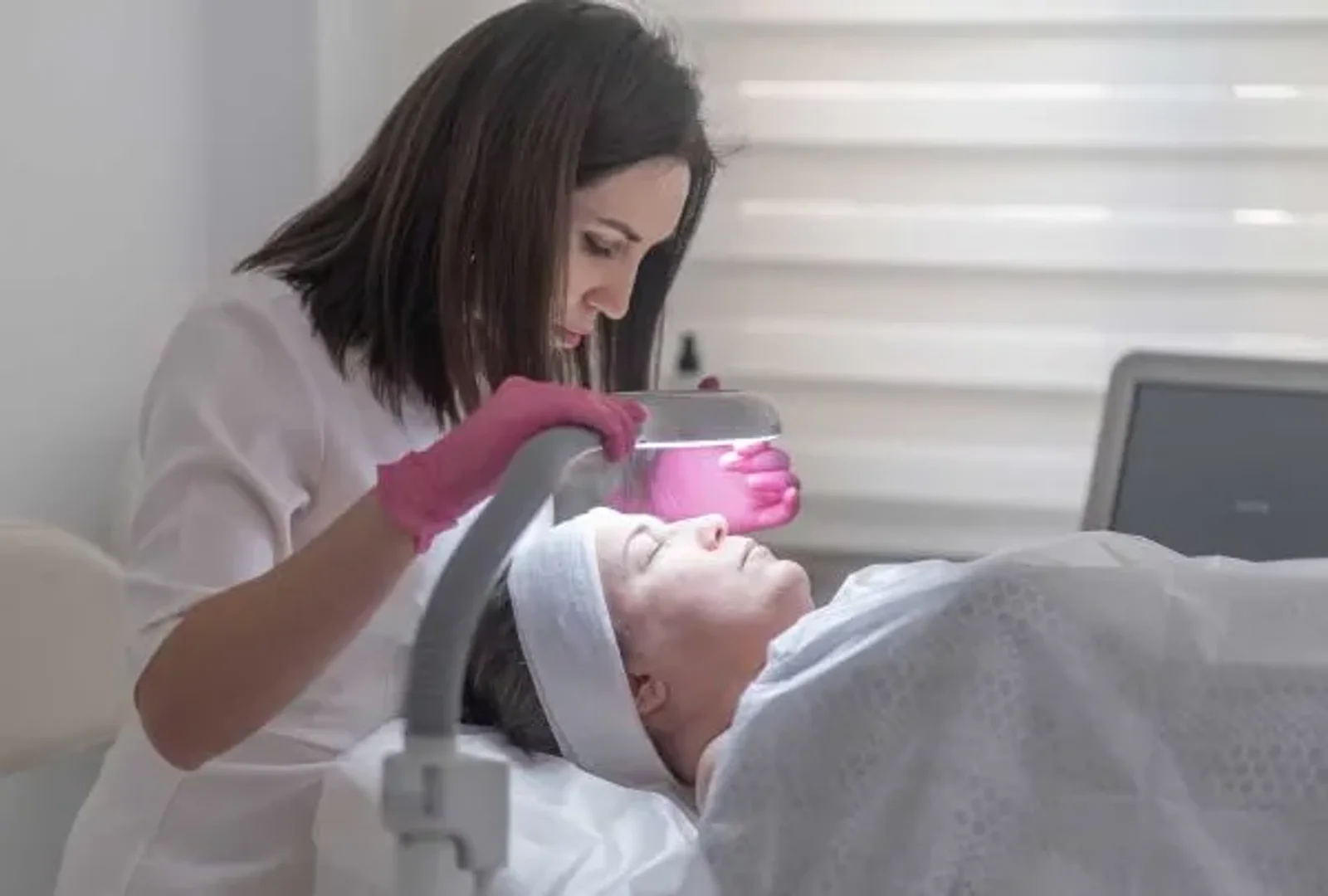
Healthcare advancements of the day enable increased longevity; medical esthetics treatments can not only ward off some conditions but can make us look, and feel, infinitely better as we live longer. With this power comes the need for responsibility among those beauty college/beauty institute graduates entering the field, entrusted with our skin.
A medical esthetics course or medical esthetician course that includes comprehensive anatomy and physiology components for both the skin and the face, taught by industry professionals, is essential. But why, precisely, should medical aesthetic training courses cover such a knowledge base and how will students use this information in their future careers? Let us tell you.
What Do Anatomy & Physiology Mean for Estheticians?
What exactly are anatomy and physiology when it comes to the face and skin?
Anatomy of the face is the branch of science concerned with the physical, soft-tissue structures attached to the bones of the facial structure.
Physiology is the branch of biology that focuses on the functions of living structures. In this case, it has to do with the ‘living organism’ of the face and the skin.
Why Do Medical Estheticians Need Anatomy & Physiology Knowledge?
Why is this knowledge essential for my career as a medical esthetician?
Medical estheticians assess concerns, build treatment plans, recommend services, and often work with advanced technology. To do this confidently and safely, they must understand what’s happening both on and beneath the skin.
With strong anatomy and physiology knowledge, you can:
- Read and understand medical terminology
- Identify underlying causes of skin issues
- Recommend treatments with confidence
- Build trust with clients
- Perform procedures safely and effectively
This foundation not only ensures safe practice it builds your professional credibility from day one.
How Does Anatomy & Physiology Improve Client Care?
How does this actually help me treat clients better?
Our face and skin directly influence how we feel about ourselves, so clients want to know they’re in the hands of a knowledgeable professional. A deep understanding of anatomy and physiology allows you to:
- Recognize issues early—before they become health risks
- Understand how lifestyle and environment impact the skin
- Customize treatment plans holistically
- Adapt treatments safely based on individual needs
- Deliver better outcomes with fewer side effects
This knowledge empowers you to create a positive, results-driven client experience—helping you grow your career and your reputation.
What Can Medical Estheticians Do With This Knowledge?
What skills does this knowledge help me build?
With anatomy and physiology expertise, you can:
- Collaborate with medical professionals using shared terminology
- Educate clients clearly and confidently
- Treat clients safely and reduce risks
- Minimize common treatment side effects through informed practice
- Build client trust and loyalty, supporting long-term career success
__________________________________________________________________________
Thinking About a Medical Esthetician Career?
In reading this as a recent graduate, you should feel proud of the knowledge you’ve gleaned and the care you can provide. If you’re considering your future and this inspires you to explore obtaining your medical aesthetics certificate, and you want to join a program with a track record for graduate success – launching your career in just over one year – we’ve got a terrific option for you at Anderson College.
Review the details of our Medical Esthetician program, or take the “Anderson College Medical Professional Career Training Readiness Quiz” and then reach out to us. Book a virtual appointment with one of our admissions advisors and we’ll walk you through finding your best program fit and every step along the way to getting launched.
Quick Links to Fuel Your Success!
We want to make sure you have what you need to succeed! Check out these reference links:
- Medical Esthetician – Medical Esthetician Course & Program at Anderson College
- The Facts and Benefits of Facials
- 5 Tips for Achieving Career Success as a Medical Esthetician
Frequently Asked Questions (FAQs)
1. Why is anatomy and physiology important for medical estheticians?
It helps estheticians understand how skin, muscles, and facial structures function, enabling them to assess clients accurately, perform treatments safely, and achieve better results.
2. Do all medical esthetician programs teach anatomy and physiology?
Quality programs include comprehensive anatomy and physiology components, especially those designed to prepare students for advanced technology and medical-grade treatments.
3. Will anatomy and physiology help me work with medical professionals?
Yes. This knowledge allows you to understand medical terminology, communicate effectively, and collaborate with dermatologists, nurses, or physicians when needed.
4. Does anatomy and physiology make treatments safer?
Absolutely. Understanding the layers of the skin and underlying structures reduces the risk of complications and helps you modify treatments based on client needs.
5. Is this knowledge useful for building my esthetics career?
Yes. It boosts your confidence, enhances client trust, and allows you to deliver more personalized, effective services key to long-term career growth.
Found this useful? Share it with a friend who's exploring their next career step.
Frequently asked questions
Quick answers about applying, funding, and life at Anderson College.
How long does it take to complete a program at Anderson College?
What financial aid options are available?
Are international students welcome?
How do I apply?
Does Anderson College offer job placement support?
Still have a question? Speak with an Admissions Advisor →
More from the blog

Top Medical Esthetician Skills to Excel in the Industry
The medical esthetics industry continues to grow as more people seek non-invasive treatments that support […] …
Read article
5 Things to Consider Before Enrolling in an Early Childcare Assistant Program
Choosing a career in early learning and childcare means stepping into a role that supports […] …
Read article
Stronger Communities, Brighter Futures: How Anderson College Helps Protect Ontario
Supporting communities is at the heart of Anderson College’s mission, and it has been for […] …
Read article