
A Client Skincare Guide for Medical Esthetics Professionals
By Jennifer Maki · Communications Specialist
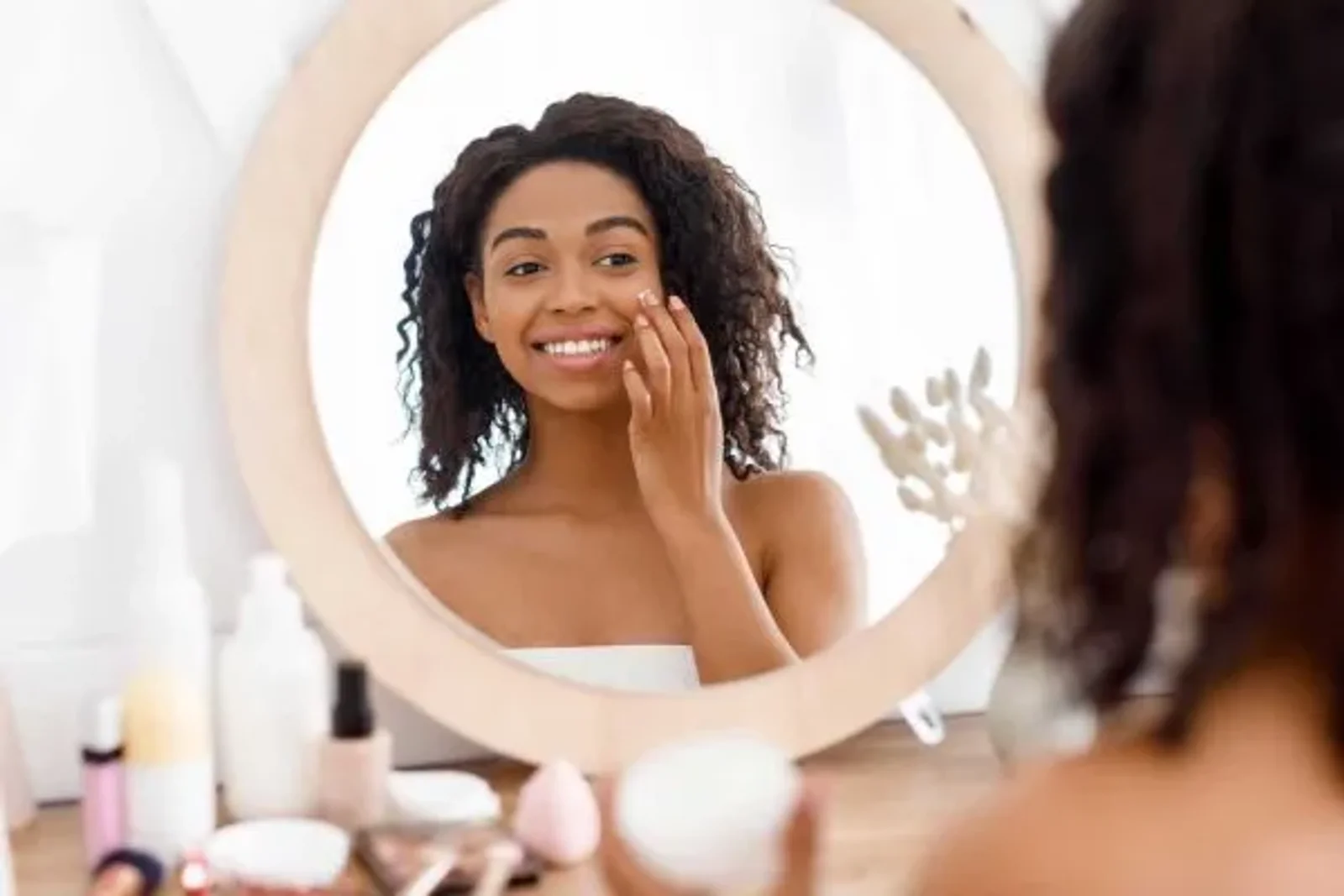
There is no denying the wow-factor n’ glow that is created by a facial, but facials alone will not elevate your client’s skin health to extraordinary new levels. This is where you come in. A professional who has studied, taken medical aesthetic training courses, has attended a beauty college and obtained their medical esthetics certificate, has the savvy to guide a client well.
The trick to having fabulous skin, is really no trick at all; it has everything to do with having a regular skincare routine, and products that match skin type, needs and goals. You’re the expert to educate and encourage them … with a little help, perhaps, from us.
What Should Medical Estheticians Focus on First When Assessing a Client’s Skin?
Determine Client Skin Type
The first step in the process is skin analysis, knowing precisely what you’re dealing with when it comes to the skin your client is in. Understanding whether you client has normal, oily, dry, combination or sensitive skin will guide the goals and products you recommend.
To Test –
- Wash n’ Wait – Have your client wash their face with a gentle cleanser, pat dry and then leave (no moisturizer). Wait 30 minutes.
- Normal = no redness, dry patches, or oil
- Dry = skin feels dry, tight, or flaky
- Oily = face feels greasy
- Combo = the T-zone is shiny, but the rest of the face is dry
- Sensitive = the result is red, itchy, and obviously irritated.
How Can Clients Set Clear and Achievable Skincare Goals?
Working Together to Build a Plan
Communicating with your client to determine what they feel their goals are and then combining those with suggestions you offer to help them ultimately achieve skin-glow success, is ideal. Potential goals they may set:
- Address Acne – understanding the different types of acne and the causes- perhaps you’ll be looking at cleansers and moisturizers that reduce oil, or you may need to turn to light acids or LED therapy routine. Discussing diet and lifestyle is essential as well. Encouraging a shift in your client’s diet, sleep and hydration habits can assist in using what you learned during your medical esthetics course, is ideal.
- Brighten Their Skin and Life – many people are looking to reduce dark spots and get that dewy glow. Adding vitamin C, and kojic acid, may do the trick.
- Reducing Effects of Aging – aging gracefully is gorgeous and the way your client’s skin looks can go a long way to making them feel younger and more vibrant, outside and in. Retinol, peptides, and vitamin C can help in replenishing and preserving the skin.
What Does a Custom Skincare Routine Look Like for Clients?
A Step-by-Step Guide to Share with Theme.
Layering products to remove what clients don’t want and adding in what they do, and need, offer results over time that will make them want to come back to you for more.
Advise your clients on how to:
- Cleanse – to gently remove dirt and oil without stripping away the outer layer of skin that is that essential barrier between the environment and their body.
- Tone – to get their pH balance back to optimal. Washing and taking away the layer on top, can leave the face more alkaline, this is where a little acidic is a great thing. And pH-balanced toners, take your client right there, and ready for the next step.
- Add Silky Serum – all the craze now, while optional, does have a smaller molecular structure that allows for it to penetrate deep, adding moisture to those fine lines and filling out those wrinkles.
- Moisturize – to seal in all the goodness. For your client’s nighttime routine they’ll want a product to work magic while they sleep. During the day, we all need that SPF protection from the sun.
- Periodic Masking (of Face – not Self) – while we want to get real on a soul level, masking our face is a beautiful addition to our skincare routine for that extra boost to our gorgeous glow.
How Long Does It Take Clients to See Skincare Results?
Patience is a Virtue in Skin Health as in Life
True and lasting change with healthy products, takes time. Advise and encourage your clients as they make small strides. Be sure to benchmark where they began so they can see the difference as they consistently apply the advice and routines you’ve suggested. Regular connection, and communication allows for your client to share how they’re feeling and the changes they’re experiencing.
How Should Medical Estheticians Adjust a Client’s Routine Over Time?
Being Flexible and Responsive
We know what is working and isn’t working for us, when we’re paying attention, tracking changes, and sharing with a medical esthetics professional. Use this plan, routine, and review of shifts as an opportunity to build relationships with your clients and adapt your guidance as needed. They’ll be grateful to have a professional they can count on.
How Can You Become a Skilled Medical Esthetician?
As a medical esthetician, understanding these elements of skincare can go a long way in building a solid and thriving client base. In Anderson College’s medical esthetician course, you will have opportunity to learn from industry experts, as you cultivate the skills to thrive in this profession.
If you’re still determining if this career aligns with your interests, take the “Anderson College Medical Professional Career Training Readiness Quiz”.
If you’re ready and interested in starting your Medical Esthetician career, book a virtual appointment with us today and let’s get you started!
Quick Links to Fuel Your Success!
We want to make sure you have what you need to succeed! Check out these reference links:
- Medical Esthetician – Medical Esthetician Course & Program at Anderson College
- Anderson Blog – Medical Estheticians Guide to Skin Analysis
- Anderson Blog – The Fact and Benefits of Facials
Frequently Asked Questions (FAQs)
1. What does a medical esthetician do during a client skin analysis?
A medical esthetician evaluates skin type, texture, hydration levels, and concerns such as acne, pigmentation, or aging. This helps create a personalized skincare plan and treatment routine.
2. How often should clients update their skincare routine?
Clients should review their routine every 6–12 weeks or anytime they experience changes in skin behavior, environment, or lifestyle.
3. What is the best skincare routine for beginners?
A simple routine includes cleansing, toning, serum (optional), moisturizing, and daily SPF. Adjustments can be added based on goals and skin type.
4. What qualifications do I need to become a medical esthetician in Ontario?
Students typically complete a Medical Esthetician Program that includes theory, hands-on labs, and clinical training.
5. Are medical esthetics treatments safe?
Yes — when performed by trained professionals. Proper certification, skin analysis, and safety protocols ensure optimal results.
Found this useful? Share it with a friend who's exploring their next career step.
Frequently asked questions
Quick answers about applying, funding, and life at Anderson College.
How long does it take to complete a program at Anderson College?
What financial aid options are available?
Are international students welcome?
How do I apply?
Does Anderson College offer job placement support?
Still have a question? Speak with an Admissions Advisor →
More from the blog
Top Medical Esthetician Skills to Excel in the Industry
The medical esthetics industry continues to grow as more people seek non-invasive treatments that support […] …
Read article
5 Things to Consider Before Enrolling in an Early Childcare Assistant Program
Choosing a career in early learning and childcare means stepping into a role that supports […] …
Read article
Stronger Communities, Brighter Futures: How Anderson College Helps Protect Ontario
Supporting communities is at the heart of Anderson College’s mission, and it has been for […] …
Read article